
The Thrill of Uncertainty
The allure of casino gaming stems significantly from the thrill associated with uncertainty. Players often find themselves drawn to the unpredictability of games, where every spin of a slot machine or roll of a dice could lead to a life-changing outcome. This element of surprise taps into human psychology, as the brain releases dopamine—a neurotransmitter linked to pleasure and reward—when we encounter unexpected wins or losses. For those interested in expanding their horizons, exploring international online casinos can offer unique opportunities and experiences that differ from traditional gaming.
Moreover, the potential for a large payout creates a compelling motivator. Even when players experience setbacks, the possibility of achieving a significant win can overshadow previous losses, encouraging continued participation. This cycle of hope and excitement keeps players returning, often leading to prolonged gaming sessions fueled by the desire to recapture that exhilarating feeling.
The Social Aspect of Gaming
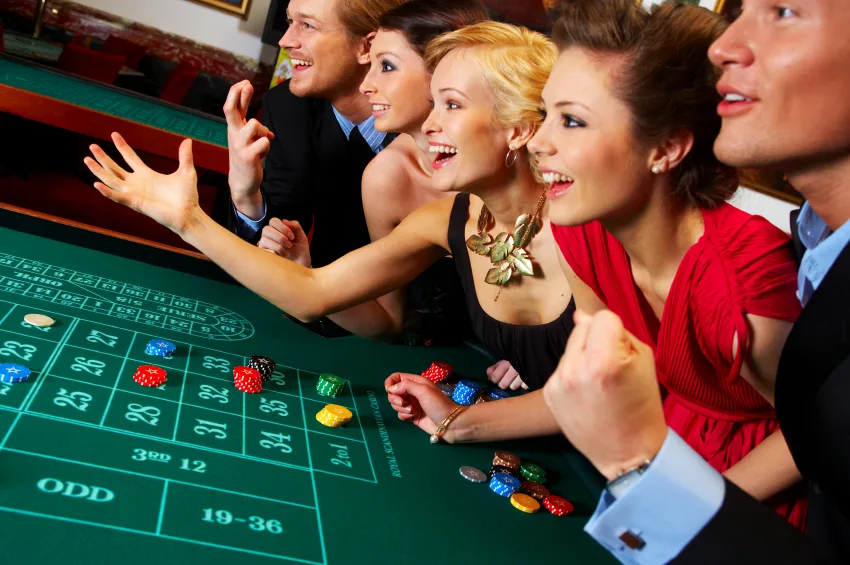
Casino gaming is often viewed as a social activity, allowing players to engage with others while enjoying their favorite games. Whether it’s at a physical casino or through online platforms, the interaction fosters a sense of community and belonging among players. Socialization enhances the overall gaming experience, making it more enjoyable and rewarding.
Additionally, shared experiences, such as celebrating wins or commiserating over losses, deepen connections among players. This social dynamic can drive individuals to return to casinos, not just for the chance to win money, but to enjoy the camaraderie and collective excitement that comes with group gaming activities.
The Role of Marketing in Gaming Psychology
Marketing plays a pivotal role in shaping player behavior within the casino industry. Promotions, bonuses, and advertising campaigns are strategically designed to attract players and influence their decisions. This marketing psychology often exploits the fear of missing out (FOMO), encouraging gamblers to seize opportunities before they expire.
Furthermore, the ambiance of casinos—bright lights, engaging sounds, and free drinks—contributes to a sensory experience that enhances the overall appeal of gaming. By creating an inviting atmosphere, casinos can manipulate player emotions, making them more likely to spend time and money in pursuit of entertainment and winning opportunities.
The Impact of Gamification
Gamification, the application of game-design elements in non-game contexts, has become increasingly prevalent in online gaming environments. Features such as leaderboards, achievements, and rewards systems create an interactive experience that motivates players to engage more deeply with the platform. This technique taps into intrinsic and extrinsic motivators, making gaming more enticing.
As players progress through levels or accumulate points, they are driven by a sense of accomplishment and competition. Such mechanisms transform gaming into a more immersive experience, encouraging longer play sessions and increased participation. Gamification capitalizes on human psychology, leading players to perceive their gaming as not only an escape but also a challenge to conquer.
Discover the Best Online Casinos with Confidence
Navigating the world of online casinos can be daunting, especially with so many options available. Our guide provides comprehensive information on the best platforms for real-money gaming, tailored to meet your preferences. We focus on safety and enjoyment, ensuring that players can engage with confidence.
With expert reviews and strategic insights into the online gaming landscape, we help you find the ideal casino experience. Whether you are a novice or an experienced player, our resources are designed to enhance your gameplay and maximize your enjoyment in this thrilling environment.